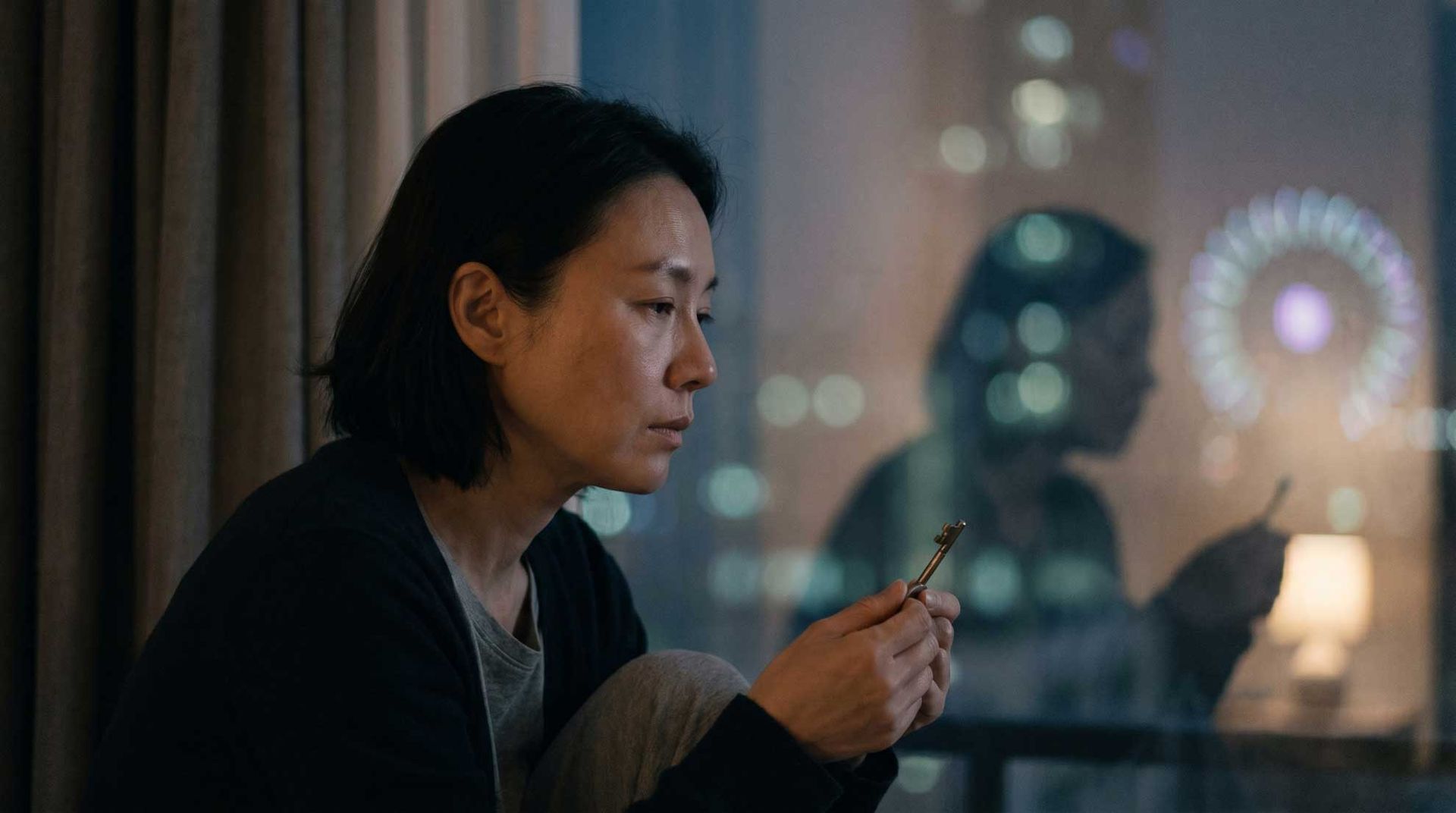
When stress becomes more than a busy season

What happens when the busy season ends… and the stress doesn't?
We all have stretches where life feels relentless. A demanding project at work, a family going through change, too many responsibilities and not enough time. In those moments, stress makes sense. It's a normal, even useful response — it signals that something matters to us and pushes us to keep going.
Unfortunatley, for a lot of people, stress quietly shifts from being situational to becoming a constant background hum. You get through the hard period, but you don't quite feel like yourself again. Sleep is still disrupted. Your mind still races. The small things that never used to bother you suddenly feel enormous. You're tired in a way that rest doesn't seem to fix.
That's worth paying attention to.
Chronic stress is stress that lingers well beyond its trigger, affects us in ways that go much deeper than feeling frazzled. Over time, it can impact sleep, digestion, immunity, relationships, and mood. It can quietly chip away at your sense of joy and your capacity to feel present. And because it builds gradually, many people don't notice how far things have shifted until they're running on empty.
One of the trickiest things about ongoing stress is how easy it is to normalise. When you've been running at a high pace for long enough, it starts to feel like just the way things are. You might tell yourself everyone feels like this or I just need to push through a little longer. Sometimes that's true. But sometimes that inner voice is worth questioning.
Some signs that stress may have moved beyond a busy patch include persistent fatigue that doesn't lift with rest, feeling emotionally flat or easily overwhelmed, withdrawing from people or things you usually enjoy, or a growing sense that you're just going through the motions.
None of these things mean something is seriously wrong. But they are your mind and body asking for a little more support.
A first step
At The Whole Perspective, we create space for you to slow down, make sense of what you're carrying, and find your way back to feeling more like yourself. You don't have to wait until things get worse to reach out. Contact us to discuss options on how we can help you move forward. We'd love to hear from you.